Computers
Why Does My Parent's Computer Keep Getting Viruses?
It's not that your mom isn't careful enough, it's that her computer was never actually set up to protect her.


Computers · Blog
A decision framework for adult children weighing cost and effort, not another list of the year's best laptops.
6 min read Orange County & Laguna Woods
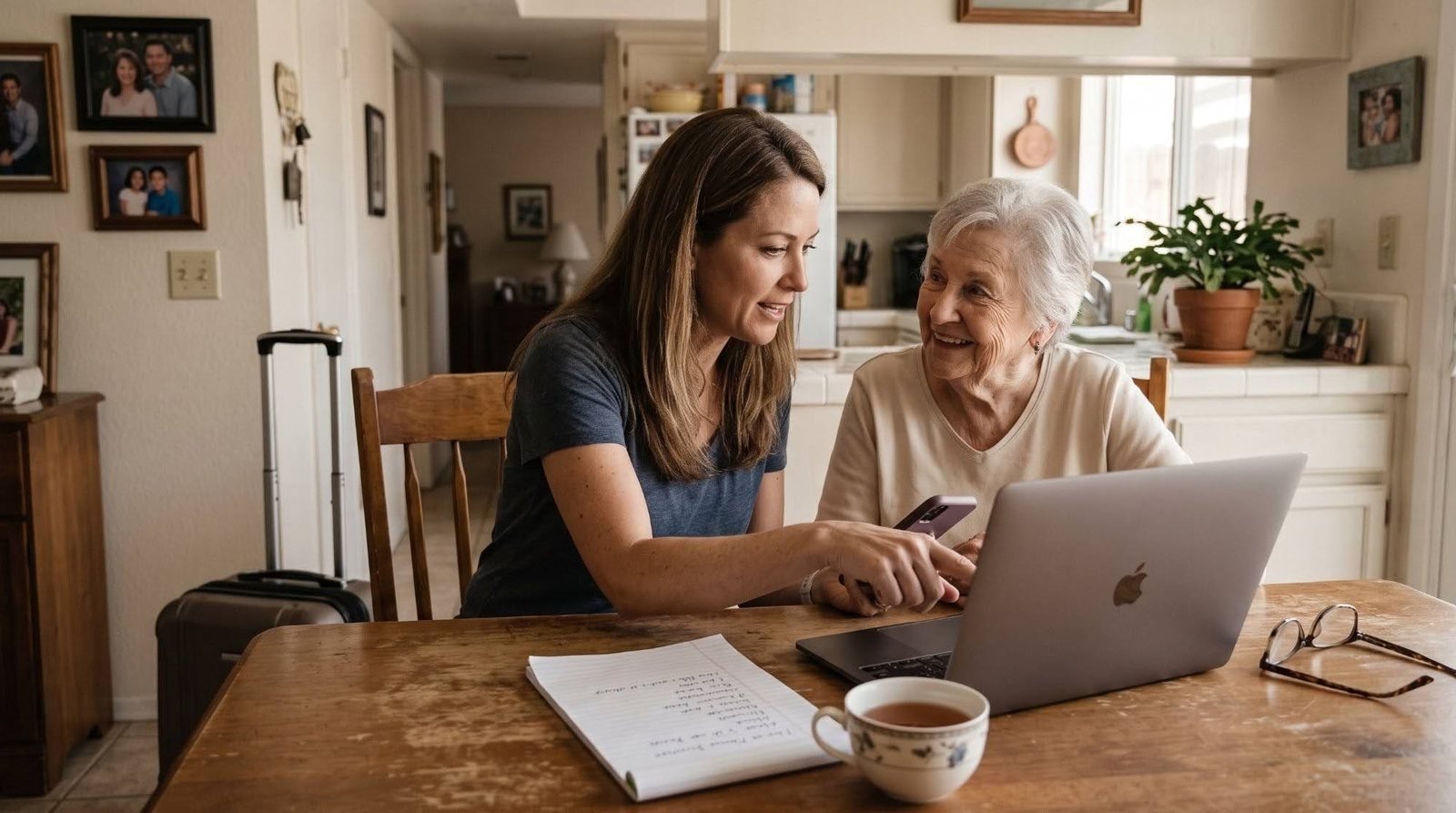
During in-home visits across Orange County, from Irvine to Laguna Woods, this is one of the questions we hear most: "Is it even worth fixing this thing, or should we just buy a new one?" Usually it comes up after the third or fourth time the laptop freezes mid-video call, or after a grandchild sighs and calls the computer basically dead.
The honest answer depends on what's actually wrong, and most people never find that out before they spend money. A cleanup can bring a five-year-old laptop back to life in an afternoon. A brand-new laptop can also turn into the same slow, cluttered mess within a year if nobody sets it up differently. Here's how to tell which situation you're in.
Before you spend a dollar, it helps to know what kind of slow you're dealing with. A lot of what feels like a dying computer is really just years of accumulated startup programs, browser toolbars nobody remembers installing, and a hard drive so full it barely has room to think. That kind of slow is fixable, often in one visit, and the machine underneath can run fine for years more.
The other kind of slow is hardware that can't keep up anymore, a spinning hard drive instead of a solid-state one, 4GB of memory trying to run programs built for 8 or 16, or a processor old enough that even a clean, empty operating system would still crawl. If a technician clears out the junk and the slowdown doesn't budge, that's your answer. If it does budge, you've just saved the cost of a new laptop.
Some signs are clear-cut and don't come down to opinion. If the operating system is no longer getting security updates, that's not a performance issue, it's a safety one. An unsupported machine online is an open door for scams and malware that no amount of cleanup closes permanently.
A battery that won't hold a charge anymore is another real one, especially if the laptop needs to move around the house or travel to appointments. And if the hardware is old enough that even a fresh, stripped-down setup still struggles to open email, that's hardware age, not clutter, and tidying won't fix it.
Every laptop ad claims to be simple and intuitive. In practice, easy to use for someone with a limited tech background means something narrower: a layout that looks and feels like what they already know, and text and icons that are readable at their normal size right out of the box, without you digging through settings.
That's why the cheapest laptop on the shelf isn't automatically the right one, and neither is whatever your own laptop or your kid's laptop happens to be. If your parent has used Windows for twenty years, switching them to something unfamiliar to save fifty dollars usually costs you more time later, not less. The best choice keeps as much of the day-to-day experience the same as possible while fixing what was actually broken.
Not sure which one you're dealing with
In one tech education session, we can tell you honestly whether your parent's laptop is worth saving or genuinely done, no guessing and no pressure to buy anything.
This is the step people worry about most, and for good reason, it's where photos and passwords actually go missing. A proper switch means moving over the photo library, contacts, browser bookmarks, and saved passwords, not just dragging a folder to a USB stick and hoping for the best.
Doing this well takes patience and a checklist, not a rushed hour before the old laptop gets donated. It's exactly the kind of thing worth having someone sit down and do with you, checking that every account logs in, every photo made the trip, and nothing important got left behind on a drive that's about to be wiped.
Here's the part that gets skipped most: a brand-new laptop can end up right back where the old one started within a year if it isn't set up with the same habits that keep any machine healthy, a standard (not administrator) account for daily use, pop-up blocking turned on, and a clear sense of what to click and what to ignore.
We've written a separate post about why parents' computers keep getting viruses and how to actually stop it for good, and that setup work applies just as much to a new laptop as an old one. The newness of the machine isn't what protects it. The habits do.
Ready to make the call
Call or email, tell us what's giving you trouble, and we'll take it from there. No pressure, and no obligation.
(949) 994-2407Keep reading
Computers
It's not that your mom isn't careful enough, it's that her computer was never actually set up to protect her.

Online Safety
When it feels like everything is on fire, here's the exact order to do things in, and why it matters.
Phones & Tablets
Five small, common phone glitches explained in plain language, with the quick check that usually fixes each one.